
Overview
A civilization built on learning
Education in Egypt is not a modern addition — it is one of the oldest continuous stories in world history. Long before many classical civilizations emerged, Egyptians developed organized methods to train scribes, engineers, administrators, and priests. Writing, arithmetic, surveying, medicine, and astronomy were taught in structured environments connected to temples and the royal administration.
Across centuries, the educational landscape evolved through major historical phases: Pharaonic schools, Hellenistic scholarship in Alexandria, Christian learning in Coptic monasteries, the Islamic era of mosques and madrasas, and finally the modern national system that serves millions of learners today.
Key idea:
Egypt's education is best understood as a bridge — linking ancient knowledge traditions (language, texts, science, heritage) with modern institutions (schools, universities, research centers, and accreditation bodies).
Pre-university
Organized stages typically include kindergarten, primary, preparatory, then secondary (general or technical).
High-stakes exams
Egypt is known for national examinations that strongly influence educational pathways and university admission.
Multiple traditions
Public education runs alongside specialized tracks like the Al-Azhar system, plus private and international schools.
Context
Why education matters for Egypt's identity
In Egypt, education is deeply connected to identity. It shapes language, religious interpretation, civic life, and the way heritage is understood and preserved. For travelers and history enthusiasts, education is also a key to understanding how Egyptians relate to their past — and how the modern nation communicates its story to the world.
Many of the country's most famous achievements were enabled by organized learning: record-keeping for agriculture and taxation, geometry for architecture, medical papyri for healing, and complex astronomical observations that helped align temples and track the seasons.
Today, education remains central to Egypt's tourism and heritage economy. Archaeologists, museum professionals, conservators, tour guides, Egyptologists, and cultural managers all rely on formal training — and many institutions collaborate with global universities and organizations.
Education & heritage protection
Conserving monuments, managing museums, and documenting sites depends on trained specialists — from epigraphy to restoration science.
Education & visitors
Museums, libraries, and historic universities also serve as cultural destinations — turning learning into an experience travelers can explore.
History
A timeline of learning in Egypt
The purpose of this timeline is to connect Egypt's major eras with the institutions and learning cultures that defined them. Each period shaped what was taught, who could learn, and how knowledge traveled.
Pharaonic Egypt: scribes, temples, and "Houses of Life"
Early Dynastic Period → Late Period
Education was closely tied to administration and religion. Training scribes required mastery of writing systems, mathematics, accounting, and formal language. Temple environments supported copying, archiving, and teaching — and preserved medical, astronomical, and religious texts.
Hellenistic & Roman Egypt: Alexandria as a knowledge hub
332 BCE → 641 CE
Alexandria became a Mediterranean center for scholarship and translation. Scientific and philosophical work flourished in a multicultural environment — influencing mathematics, geography, medicine, and textual criticism.
Coptic Egypt: monasteries, manuscripts, and continuity
1st Century → 641 CE (and beyond)
Christian learning expanded through churches and monasteries. Monastic communities preserved texts, trained clergy, and contributed to the intellectual life of Egypt and the region.
Islamic Egypt: mosques, madrasas, and Al-Azhar
641 CE → 1805 CE
Education spread through mosque circles and formal madrasas, covering religious sciences, Arabic language, logic, and jurisprudence — while also engaging with mathematics and other disciplines. Al-Azhar became one of the most enduring institutions of learning in the Islamic world.
Modern era: national schools and new universities
1805 CE → 1952 CE
Reform movements modernized administration and created new types of schools. A landmark moment was the rise of secular higher education, including the founding of Cairo University (1908), later followed by new institutions across the country.
Republic & contemporary period: expansion and reform
1952 CE → Today
Egypt expanded access to education, built universities, and introduced quality assurance systems. Today, reform efforts focus on learning outcomes, teacher development, digital tools, and aligning education with labor market needs — while preserving the country's unique cultural and historical identity.
System
How the modern education system works
Egypt's education system is large and diverse. It includes public schools, private schools, international curricula, and parallel religious tracks. While the details can evolve through reforms, the overall structure is typically understood as a set of stages that move learners from early childhood to secondary education — and then to higher education.
Pre-university stages (typical structure)
- Kindergarten: early childhood learning and readiness
- Primary: foundational literacy, numeracy, and general knowledge
- Preparatory: broader academic foundation and subject development
- Secondary: general track and/or technical track leading to exams and pathways
For official descriptions of the stage structure, see the Ministry of Education & Technical Education strategic publications.
In everyday life, education is closely tied to social mobility. Many families invest heavily in learning, tutoring, and exam preparation. At the same time, policymakers focus on improving classroom quality, reducing overcrowding, supporting teachers, and modernizing curricula.
Public education
Public schools are the backbone of the system. They aim to provide broad access and a national curriculum. In many areas, reforms target digital learning, assessment updates, and stronger foundational skills.
Also explore: The People and Customs & Traditions
Private & international schools
Many families choose private schooling, including language-focused and international programs (e.g., IGCSE, American Diploma, French Baccalauréat, IB). These schools can follow national or alternative frameworks.
Tip: If you are a visitor, you will often see bilingual signage and English/French instruction in many private institutions.
Skills
Technical & vocational education
Technical and vocational education is vital for a country with a large workforce and diverse economic sectors — from construction and manufacturing to tourism and services. Egypt's technical education includes multiple specializations (industrial, commercial, agricultural, hospitality, and more), and it often connects directly to employment pathways.
In a tourism-focused economy, vocational tracks can include hotel management, culinary arts, tourism services, languages, and heritage-site operations. These programs help connect education with real visitor experiences — making service quality, cultural knowledge, and professional ethics a core priority.
Hospitality & tourism
Training for hotels, cruise services, travel operations, and guest relations — where language and cultural awareness matter.
Industrial skills
Programs that support engineering basics, mechanics, electricity, and industrial production — essential to modern infrastructure.
Agriculture
Agricultural education relates directly to the Nile Valley, Delta farming, food production, and sustainability strategies.
Why travelers might care:
The quality of hospitality, guiding, museum operations, and site interpretation is directly influenced by education and training. When you meet a skilled guide or a knowledgeable museum educator, you are seeing the "education system" in action.
Universities
Higher education and major institutions
Egypt's higher education sector includes public universities, private universities, specialized institutions, and a longstanding religious university tradition. It is shaped by national policy and oversight bodies, and it supports a wide range of disciplines — from medicine and engineering to arts, languages, and Egyptology.
University admission and program selection are influenced by secondary-level results and national coordination processes. For official information and policies, the Ministry of Higher Education and Scientific Research is a primary reference point.
Cairo University
Founded in 1908 as a civil university, Cairo University is one of the most influential institutions in the country and has played a major role in modern Egyptian intellectual and public life.
Ain Shams University
Established in 1950, Ain Shams University is a major public university in Greater Cairo, known for wide academic offerings, research, and strong professional faculties.
Al-Azhar University & Al-Azhar system
Al-Azhar is one of the world's most historic centers of Islamic learning. It also oversees a nationwide educational network. A major modern milestone was the legal reorganization that expanded disciplines beyond religious studies.
Alexandria and the Bibliotheca Alexandrina
Modern Alexandria connects the memory of ancient scholarship with today's cultural life. The Bibliotheca Alexandrina is a major library and cultural complex hosting research centers, exhibitions, and educational programs.
Travel note:
Many universities and cultural institutions hold public lectures, museums, exhibitions, and conferences. If you plan a trip focused on history or archaeology, check official calendars when possible.
Knowledge
Research, libraries, and knowledge institutions
Education does not stop at classrooms. Egypt's intellectual life includes libraries, research centers, archives, museums, and cultural institutions that support scholarship — and often welcome visitors.
Alexandria is a powerful symbol of research and cross-cultural scholarship. Today, the Bibliotheca Alexandrina continues that tradition by hosting specialized centers, educational programs, and public cultural events.
Bibliotheca Alexandrina
A major library and cultural complex on the Mediterranean coast, featuring reading spaces, museums, exhibitions, and research centers. It is a landmark for educational tourism in Alexandria.
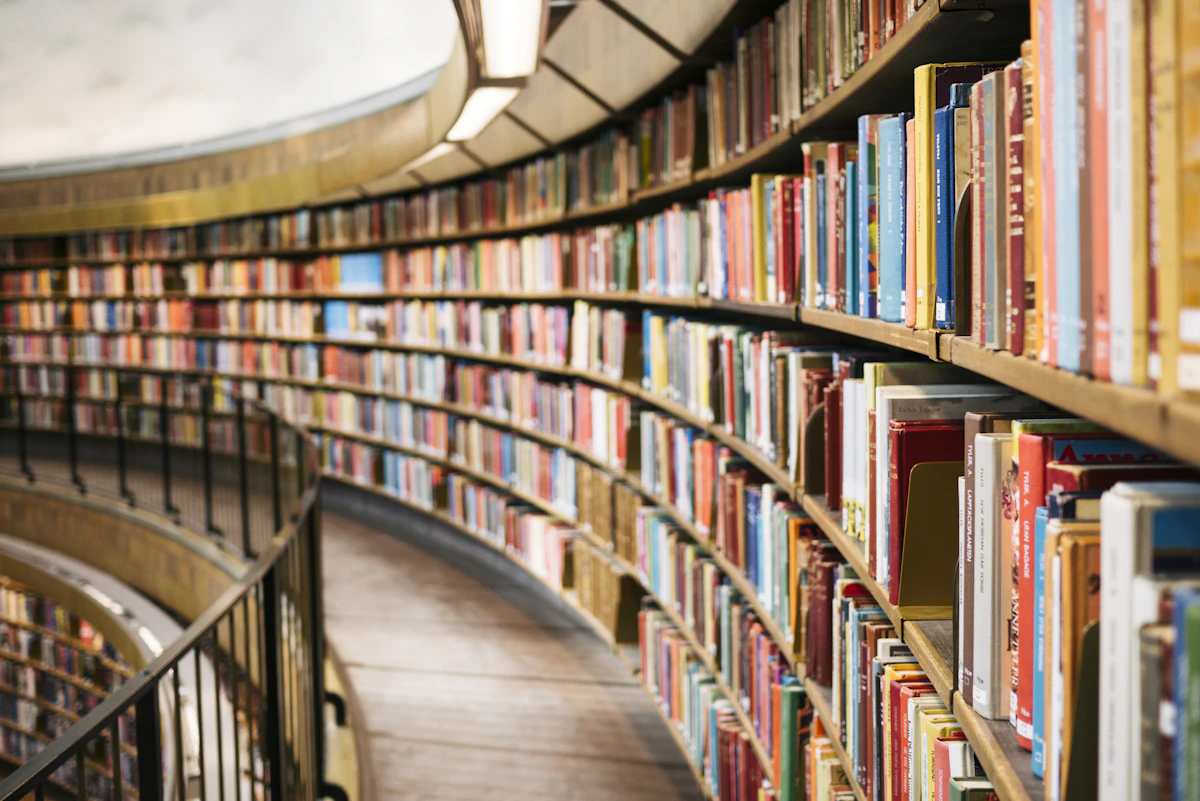
Museums as learning spaces
Museums in Egypt increasingly support education through guided interpretation, school programs, and public talks. They are not only for viewing artifacts — they are for understanding history.
Explore: Egyptian Museum and GEM Tours
Language & translation
Egypt's educational history is multilingual: ancient Egyptian scripts, Greek scholarship in Alexandria, Coptic writing, Arabic sciences, and modern bilingual education. Translation remains essential for research and tourism.
Travel tip: you will find Arabic and English widely used in cultural spaces, with additional languages in major tourist hubs.
Tourism
Education, heritage, and tourism
Tourism in Egypt is more meaningful when it is educational. The difference between "seeing" a monument and "understanding" it is interpretation — and interpretation is built on education.
From certified Egyptologists to trained local guides, from museum educators to conservation scientists, Egypt's visitor experience is closely tied to learning systems.
Guides & interpretation
A good guide connects history, art, and context — translating thousands of years into a story you can follow.
Conservation
Preservation relies on trained experts in restoration, materials science, and archaeology.
Educational routes
Many sites can be visited as "learning trails": Islamic Cairo, Alexandria cultural landmarks, Luxor temples, and museum circuits.
Suggested "education-focused" places to visit
- Al-Azhar Mosque & surroundings (Islamic Cairo): one of the world's enduring centers of learning.
- Bibliotheca Alexandrina (Alexandria): library, museums, exhibitions, and research culture.
- Major museums (Cairo & beyond): learning through artifacts and curated interpretation.
- University campuses (where accessible): public lectures, cultural events, and academic museums.
FAQ
Frequently asked questions
Education laws and policies have evolved over time. Official ministry documents describe the standard stages of pre-university education, and compulsory schooling policies are generally linked to the basic education years. For the most current definitions and reforms, consult official sources from the Ministry of Education & Technical Education.
General secondary education focuses on academic preparation for university pathways. Technical secondary education focuses on applied and vocational skills (industrial, commercial, agricultural, hospitality, and more), often leading directly to employment or specialized higher education routes.
The Al-Azhar system is a parallel educational track with a strong focus on Islamic studies and Arabic language, operating alongside general public education. It is connected to Al-Azhar's institutions and includes multiple schooling stages. In the modern era, reforms expanded disciplines and clarified the relationship between religious and general subjects.
University pathways are typically influenced by secondary results and national coordination mechanisms. Because admission rules and routes can change, the most reliable approach is to check the Ministry of Higher Education and the Supreme Council of Universities for official guidance.
Yes. Many universities and private institutions offer English-taught tracks or bilingual programs, especially in medicine, engineering, business, and specialized disciplines. Program language and requirements differ by institution.
Great options include major museums (for curated learning), Islamic Cairo (Al-Azhar and historic madrasas), and Alexandria (Bibliotheca Alexandrina). For deep history, Luxor's temples and tombs are an open-air classroom.
For school education, consult the Ministry of Education & Technical Education. For higher education policies, consult the Ministry of Higher Education and Scientific Research. For accreditation, consult NAQAAE, and for degree recognition consult the Supreme Council of Universities. Links are provided in the references section.
Egyptology, archaeology, museum studies, and heritage conservation depend on specialized university departments, field schools, and training programs. Museums and libraries also support educational missions through research and public programs.
Sources
Sources and references
This page is designed to be information-rich and verifiable. The links below are official or authoritative references you can use to confirm policies, institutional details, and educational frameworks.
- Ministry of Education & Technical Education (Egypt) — strategic publications and official resources: https://moe.gov.eg/
- MOETE Strategic Plan (English PDF) — pre-university education stages and policy framing: Strategic Plan (PDF)
- Ministry of Higher Education and Scientific Research: https://mohesr.gov.eg/en/
- Supreme Council of Universities (degree recognition and institutional reference): https://scu.eg/en/
- NAQAAE (National Authority for Quality Assurance and Accreditation of Education): https://naqaae.eg/en/
- Al-Azhar (official portal) and educational history resources: https://azhar.eg/en
- Cairo University (official portal and history pages): https://cu.edu.eg/Home
- Ain Shams University (official portal and historical notes): https://www.asu.edu.eg/
- Bibliotheca Alexandrina (official portal): https://www.bibalex.org/
- UNESCO documents on education structure and country education profiles: https://unesdoc.unesco.org/
Explore more
Related Egypt Lover pages
Ancient Egypt
Scribes, texts, science, temples, and the roots of knowledge.
Islamic Egypt
Mosques, madrasas, and the rise of Cairo as a learning capital.
Tourism
How Egypt's heritage becomes an experience — and the role of trained professionals.
The People
Hospitality, humor, and identity — meet the people behind Egypt's living culture.