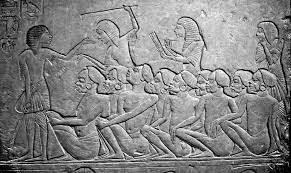
"Contrary to popular belief, Ancient Egypt was not a society built on mass brutal slavery. While servitude existed, it was often a complex legal status where 'slaves' could own property, marry free citizens, and even buy their own freedom."
Slavery in Egypt was generally less brutal than in other ancient societies like Rome or Greece. The term "slave" is often a mistranslation of Egyptian words like Hem (servant) or Bak (worker). Most of these individuals were prisoners of war or people working off debts, integrated into households rather than treated as disposable chattels.
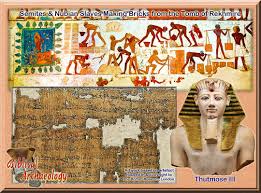
Who Were the "Slaves"?
Prisoners of War
The most common source. Captured soldiers (Nubians, Libyans, Asiatics) became royal property. They were often resettled in colonies, given land to farm for the state, or assigned to temples. Many eventually assimilated into the population.
Debt Bondage
Egyptians who could not pay their debts might sell their labor (or themselves) to a creditor for a fixed period. This was a legal contract, not a permanent state of being, and ended once the debt was paid.
Rights and Humanity
Unlike chattel slavery, unfree persons in Egypt retained significant humanity under the law (Ma'at).
- Property: They could own possessions and even land.
- Marriage: They could marry free men or women. Children of such unions were often born free.
- Manumission: Freedom was possible. Slaves could be freed by their master's will (often adoption into the family) or by purchasing their own liberty.
The Pyramid Builders were NOT Slaves
One of the most persistent myths is that the Giza Pyramids were built by whipped slaves. Archaeological evidence from the Workers' Village at Giza proves otherwise.
The builders were free citizens—skilled artisans and drafted farmers (corvée labor) working during the flood season. They were paid in high-quality rations (meat, bread, beer), received medical care, and were buried with honor near the King's pyramid. No slave would be trusted with the sacred task of building the Pharaoh's eternal home.