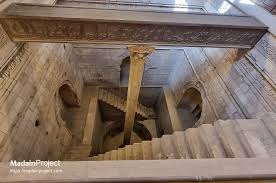
"If the river rises to 12 cubits, there is hunger. If it rises to 14, there is joy. If 16, there is abundance." – Pliny the Elder.
The Nilometer (Mikyas al-Nil) was one of the most critical scientific instruments in Ancient Egypt. It was a structure designed to measure the clarity and water level of the annual Nile Flood. The data it provided did not just predict the harvest; it determined the tax rate for the entire nation for the coming year.
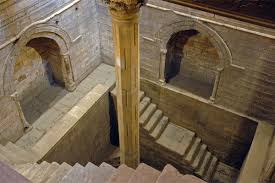
Designs of Measurement
Nilometers were built along the river, from Aswan in the south to the Delta in the north. They generally fell into three architectural types:
- The Staircase: Stone steps descending into the river (like at Elephantine Island). The water level was read against markings on the walls.
- The Well: A deep, circular well connected to the river by tunnels.
- The Column: An elaborate octagonal column inside a stilling chamber (like the famous one on Roda Island in Cairo), calibrated in cubits.
The Science of Survival
The flood was fickle. Too low, and the fields would dry out, leading to famine. Too high, and the waters would destroy villages and dykes.
The Sweet Spot: A level of 16 cubits (about 8.4 meters) at the Roda Nilometer was considered perfect for a bountiful harvest. Priests monitored the rise daily during the season of Akhet, comparing it to historical records to predict the outcome weeks in advance.
Taxes and Secrets
The readings from the Nilometers were a closely guarded state secret.
The Tax Formula
The height of the flood directly correlated to the expected crop yield.
High Flood = High Yield = High Taxes.
Low Flood = Low Yield = Tax Relief (or Famine).
By controlling this information, the priesthood and the Pharaoh maintained control over the economy and the narrative of divine favor.