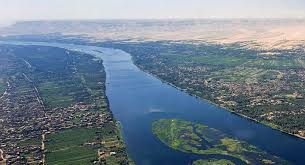
"When the Nile refuses to rise, the heart of Egypt stops beating. The granaries empty, the temples fall silent, and the authority of the Pharaoh crumbles into dust."
The history of Ancient Egypt is not just a story of triumph but also of vulnerability. The civilization was completely dependent on the Nile, and when the river's rhythm was broken by long-term climate shifts, the mighty state often collapsed into chaos.
The Drying of the Green Sahara
Around 5000 BC, the Sahara was a lush savanna with lakes and wildlife. A major climate shift caused the rains to move south, turning the region into a hyper-arid desert. This forced nomadic populations to migrate to the only remaining water source—the Nile Valley—creating the population density that led to the formation of the Egyptian state. However, this same process eventually limited Egypt's expansion.
The Failure of the Flood
The primary engine of Egyptian stability was the annual flood. However, this natural mechanism was fragile.
- The 4.2 Kiloyear Event: Around 2200 BC, a global climate event caused a severe reduction in rainfall in the Ethiopian highlands. The Nile floods failed for decades.
- Economic Collapse: Without water, the harvest failed. Grain reserves were exhausted. The central government could not feed its workers or army, leading to the collapse of the Old Kingdom and the onset of the First Intermediate Period, a dark age of famine and civil war.
Weakened State, Divided Land
Environmental instability directly eroded the Pharaoh's power. Since the King was the guarantor of Ma'at (cosmic order), a failure of nature was seen as a failure of his divine mandate.
During the Third Intermediate Period and the Late Period, recurring low floods weakened the economy, making it impossible to maintain a large standing army. This left a fractured Egypt vulnerable to foreign invasions by the Nubians, Assyrians, Persians, and eventually the Greeks and Romans.