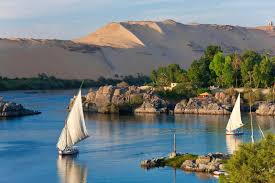
"There are no roads in Egypt, only the River. It connects the Delta to the Nubian border, carrying the stone for the temples, the grain for the people, and the word of the Pharaoh."
The Nile was Egypt's main highway. In a land surrounded by harsh deserts, the river was the only efficient way to move people and goods. It created a unified network that connected every major city, temple, and quarry in the kingdom, allowing for a level of centralized control unmatched in the ancient world.
The Perfect Engine: Current vs. Wind
Travel on the Nile was exceptionally efficient due to a unique geographical blessing:
- Going North (Downstream): The river's current flows naturally from south to north. Boats traveling to the Delta simply drifted with the current or used oars to steer.
- Going South (Upstream): The prevailing Etesian winds blow constantly from the Mediterranean in the north to the south. Boats traveling upstream simply raised their sails, and the wind pushed them against the current.
This bidirectional system meant that heavy loads—like the 50-ton granite obelisks from Aswan—could be moved hundreds of miles with relatively little human energy.
The Fleet of the Nile
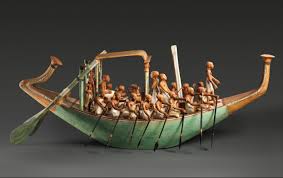
The Egyptians were master shipbuilders. Their vessels ranged from simple skiffs to massive barges.
Papyrus Skiffs
Made from bundles of reeds bound together. Light and buoyant, these were used by fishermen, hunters, and commoners for short trips and marsh navigation.
Wooden Ships
Since Egypt lacked good timber, they imported Cedar from Lebanon to build large cargo ships, royal barges, and warships. The famous Khufu Ship (Solar Barque) is a masterpiece of this carpentry.
The Nervous System of the Empire
The river allowed for rapid communication. Royal messengers traveled by fast boat, carrying decrees from the Pharaoh in Memphis or Thebes to the furthest governors in Elephantine within weeks.
This speed of information allowed the central government to:
- Mobilize armies quickly to defend borders.
- Collect taxes (grain) efficiently after the harvest.
- Respond to local crises like famine or rebellion.