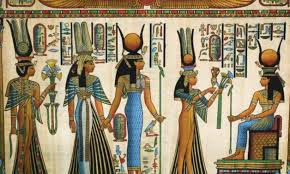
"From the Queens who ruled as Pharaohs to the working women who ran markets and textile workshops, gender did not strictly limit participation in the social order. In a world where women in Greece and Rome were often treated as minors, Egyptian women stood tall with equal rights."
Women existed in every social layer and maintained their legal status regardless of class. While their primary role was often domestic as the "Mistress of the House" (Nebet-Per), they were not confined to it. They were legally equal to men of their class in property ownership, business dealings, and the courts.
A Legal Equal
The most surprising aspect of Ancient Egyptian society was the legal freedom of women.
Property & Business
Women could own land, houses, and livestock in their own name. They could buy and sell property, sign contracts, and execute wills without the permission of a father or husband.
Marriage & Divorce
Marriage was a social contract, not a religious rite. Women retained their own assets after marriage. Crucially, they had the right to initiate divorce and were entitled to a share of the joint property if the marriage ended.
Power at the Peak
No other ancient civilization allowed women to reach such heights of power.
- The Great Royal Wife: The Queen Consort was a powerful political figure, often managing the palace and advising the King.
- Female Pharaohs: When necessary, women took the throne. Hatshepsut ruled for over 20 years, building a prosperous empire. Sobekneferu and Twosret also ruled as kings in their own right, and the Ptolemaic period ended with the famous Cleopatra VII.
Beyond the Home
While men dominated the bureaucracy, women worked in many sectors.
- Textiles: Women ran the flax and linen industry, producing the cloth that was Egypt's second most important export after grain.
- Perfume and Medicine: Women were skilled in creating perfumes and served as doctors (e.g., Peseshet, the "Lady Overseer of Female Physicians").
- Priesthood: Noblewomen served as priestesses, musicians, and singers (Chantresses) in temples, playing a vital role in rituals. The title "God's Wife of Amun" eventually held power rivaling the King.