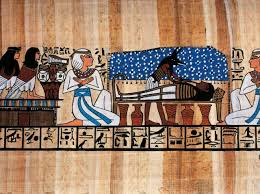
"The Ancient Egyptians were not obsessed with death; they were obsessed with life. They loved life so much they wanted it to continue forever."
Thanks to Hollywood movies and Victorian ghost stories, Ancient Egypt is often misunderstood as a gloomy civilization fixated on death, curses, and darkness. The reality could not be more different. Their entire funerary culture was an expression of joy, hope, and an unshakeable belief in the beauty of existence.
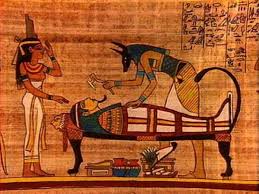
Myth #1: They Were Obsessed with Death
The Misconception: Egyptians spent their whole lives morbidly preparing for the grave.
The Reality: They prepared for death because they loved life. The tombs (Houses of Eternity) were filled with their favorite things: wine, board games (Senet), makeup, musical instruments, and love poetry. Tomb walls were painted with vibrant scenes of parties, fishing trips, and harvests. They believed the afterlife would be a perfect continuation of their best days on earth, not a spooky void.
Myth #2: The Book of the Dead is a Book of Black Magic
The Misconception: Pop culture (like The Mummy movies) portrays the Book of the Dead as a cursed tome that summons demons.
The Reality: It was actually a "Book of Coming Forth by Day" (Pert em Hru). It was a collection of positive spells, prayers, and passwords designed to protect the deceased. It helped them navigate the underworld safely, avoid traps, and reach paradise. It was a manual for salvation, not damnation.
Myth #3: The "Curse of the Mummy"
The Misconception: Disturbing a tomb releases a deadly ancient curse.
The Reality: There is no evidence of "curses" in most tombs. This idea was largely invented by journalists in the 1920s to sensationalize the discovery of Tutankhamun's tomb. While some tombs have warnings to deter thieves (e.g., "I shall seize his neck like a goose"), they were threats of divine judgment, not magical viruses. Ancient Egyptians wanted people to visit their tombs and speak their names to keep their memory alive.
Myth #4: Slaves Built the Pyramids and Tombs
The Misconception: Monuments were built by armies of whipped slaves.
The Reality: Archaeological evidence proves that the builders were paid laborers, respected craftsmen, and farmers working during the flood season. They were given tombs near the pyramids, ate meat regularly, and even went on strike (the first recorded strike in history occurred under Ramses III) when their wages (grain) were late. Slaves would never have been trusted with the sacred task of building the King's eternal home.