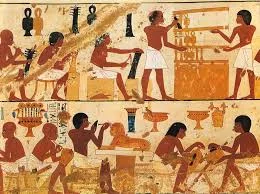
"Though their names are often forgotten, their work remains. The beauty of the golden mask, the precision of the temple column, and the vivid colors of the tomb wall are the legacy of the silent army of artists who served in the Place of Truth."
Beneath the Pharaohs and the Scribes, there existed a highly skilled middle class of Artisans and Craftsmen. These were not simple laborers; they were master sculptors, painters, goldsmiths, and stone masons. Their work was vital for the state because it created the physical reality of religion—statues for the gods to inhabit and tombs for the soul to reside in.
The Village of the Tomb Builders
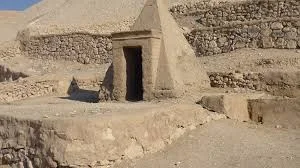
The most famous community of craftsmen lived at Deir el-Medina (Ancient name: Set Maat, "The Place of Truth"). This village, hidden in the desert hills of Luxor, housed the workers who cut and decorated the royal tombs in the Valley of the Kings.
- Elite Status: They were not slaves. They were highly paid state employees living in a walled village with their families. They were literate, owned property, and had their own servants.
- Payment: They were paid in monthly rations of grain, fish, vegetables, and firewood. Bonuses included luxury items like sesame oil, salt, and beer.
The Art of Eternity
Egyptian art was functional. A statue was not just decoration; it was a body. A wall painting was not just a picture; it was a magical reality.
Sculptors
Called "He who keeps alive." They worked in hard stones like granite and diorite to create statues that would last forever.
Draftsmen & Painters
They outlined the grids and figures on tomb walls, which were then carved and painted with mineral pigments that have retained their color for thousands of years.
The First Strike in History
The artisans of Deir el-Medina knew their worth. In the reign of Ramesses III (c. 1155 BC), when their grain rations were delayed due to corruption and a failing economy, they put down their tools.
They marched to the royal mortuary temples shouting "We are hungry!" and held a sit-in. This is the first recorded labor strike in human history. Their demands were met, proving their crucial role in the state's spiritual economy.