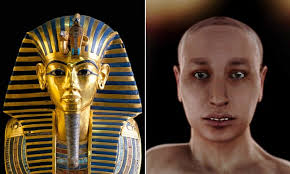
Basic Identity
Tutankhamun, originally named Tutankhaten ("Living Image of the Aten"), ascended the throne as a child of about eight or nine. His short reign marked the end of the radical Amarna Period and the beginning of the Restoration. He is the most famous pharaoh in history, not for his life, but for the incredible discovery of his tomb.
| Throne Name | Nebkheperure ("Lord of the Manifestations of Ra") |
|---|---|
| Dynasty | 18th Dynasty (Restoration Period) |
| Reign | c. 1332–1323 BCE (Approx. 10 Years) |
| Capital | Thebes & Memphis |
Healing Egypt
Tutankhamun is historically vital because he reversed the religious reforms of his likely father, Akhenaten. He restored the traditional gods, reopened temples that had been closed, and symbolized the reconciliation of the country. His reign was a time of healing for a nation divided by religious revolution.
The Boy King & His Advisors
The Great Restoration
The young king issued the "Restoration Stela," a decree describing the decay of Egypt under Atenism and proclaiming divine forgiveness. He changed his name from Tutankhaten to Tutankhamun ("Living Image of Amun"), moving the royal court back to Thebes and Memphis, effectively ending the Amarna heresy.
Discovery of KV62
In 1922, British archaeologist Howard Carter discovered the steps to Tomb KV62 in the Valley of the Kings. Unlike other royal tombs that had been looted in antiquity, Tutankhamun's tomb was nearly intact. The discovery changed Egyptology forever and sparked a global "Tut-mania."
A Fragile Life
Modern CT scans and DNA analysis reveal that Tutankhamun was physically frail, suffering from malaria and a bone disorder that required him to use a cane (over 130 canes were found in his tomb). He died suddenly around age 19, likely from a combination of infection and a leg fracture, leaving no heir.
The Crisis of Succession
His death plunged Egypt into chaos. His widow, Ankhesenamun, wrote a desperate letter to the Hittite king asking for a prince to marry, stating she was afraid to marry a "servant" (likely Ay). The Hittite prince was murdered en route, and Ay eventually took the throne, followed by Horemheb who erased the Amarna period from history.
The Curse of the Pharaohs
The media sensationalized the death of Lord Carnarvon (who funded the excavation) shortly after the tomb's opening, creating the myth of the "Mummy's Curse." While scientifically unfounded, the legend fueled global fascination and added a layer of mystery to the already incredible story of the boy king.
Immortality Achieved
Ironically, the king whom Horemheb tried to erase became the most famous of them all. Tutankhamun fulfilled the ancient Egyptian wish: "To speak the name of the dead is to make them live again." Through the discovery of his tomb, he has achieved true immortality, connecting the modern world to the splendor of the pharaohs.
📌 Visitor-Friendly Summary
Tutankhamun was the young king who brought the gods back—and became immortal through the discovery of his treasure.
👑 Key Title: The Boy King
✨ Feat: Restoring the Old Gods
⚰️ Legacy: The Golden Mask & KV62