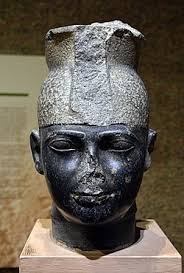
Basic Identity
Taharqa was one of the most powerful pharaohs of the 25th Dynasty (the Kushite Dynasty). Ruling from both Memphis in Egypt and Napata in Nubia, his reign marked the zenith of Kushite power. He is known for his monumental building projects and his determined, albeit tragic, resistance against the rising Assyrian Empire.
| Throne Name | Khure-Temekh (Nefertemkhure) |
|---|---|
| Dynasty | 25th Dynasty (Kushite/Nubian) |
| Reign | c. 690–664 BCE (Approx. 26 Years) |
| Capital | Memphis (Egypt) & Napata (Nubia) |
A Global Figure
Taharqa is historically significant because he ruled Egypt at its widest Kushite extent, controlling a vast territory from the Mediterranean to the Blue Nile. He is also a biblical figure, mentioned in the Old Testament (as Tirhakah) as an ally of King Hezekiah of Judah against the Assyrians. His reign represents a unique moment when African power influenced global geopolitics.
A Powerful Lineage
Son of the great conqueror Piye, Taharqa belonged to a formidable royal house. He ascended the throne after his brother Shebitku, inheriting a strong and unified empire. However, his accession coincided with the rise of the Assyrian war machine, testing his leadership from the very beginning.
Monumental Legacy
Taharqa was one of the greatest builders of the Third Intermediate Period. He launched a massive construction program across Egypt and Nubia. At Karnak, he built the famous kiosk with gigantic columns that still stand today. He also expanded the temples at Gebel Barkal and revived the Old Kingdom style of art and architecture, presenting himself as a restorer of ancient traditions.
Strength in the South
While he lost Lower Egypt, Taharqa solidified his power in Nubia. He expanded the capital at Napata and strengthened the royal cult. Even in defeat, he maintained the ideology of a divinely appointed king, interpreting his setbacks as a divine trial rather than a loss of legitimacy. His influence ensured that Kushite culture would thrive for centuries to come.
The Pyramid of Nuri
Taharqa died in Nubia and chose a new burial site at Nuri, across the river from the traditional necropolis of El-Kurru. He built the largest pyramid ever constructed in Nubia, signaling his status as a king of immense power. His tomb was filled with rich burial goods, including hundreds of shabti figures, reflecting his continued devotion to Egyptian funerary practices.
The End of an Era
He was succeeded by his nephew Tantamani, who made one last attempt to retake Egypt but ultimately failed. Taharqa's death marked the beginning of the end for Kushite rule in Egypt, but his legacy as a warrior-builder and a defender of the faith remained legendary. He united two great river civilizations and stood defiant against the world's first true empire.
The Arc of the 25th Dynasty
| King | Role | Legacy |
|---|---|---|
| Piye | The Conqueror | Reunified Egypt |
| Taharqa | The Builder-Defender | Monumental Works & Assyrian War |
| Tantamani | The Last Stand | Retreat to Nubia |
📌 Visitor-Friendly Summary
Taharqa was the pharaoh who challenged the might of Assyria and ruled as a king of two lands. His monuments still stand tall as a testament to his power.
👑 Key Title: The Great Kushite
🛡️ Conflict: War with Assyria
🏛️ Landmark: Columns of Taharqa at Karnak