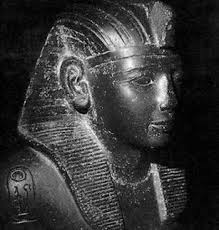
The Twilight of the Empire
Following the death of the last great pharaoh, Ramesses III, Egypt entered a long period of slow decline. This era, spanning eight kings all named Ramesses, was characterized by survival rather than expansion. The empire in Canaan and Nubia slipped away, the economy faltered, and the High Priests of Amun in Thebes grew so powerful they effectively rivaled the king.
| Dynasty | 20th Dynasty (Late Ramesside Period) |
|---|---|
| Timeframe | c. 1155–1069 BCE |
| Capital | Thebes (Religious) & Pi-Ramesses (Declining) |
Ramesses IV: The Transitional Restorer
Reign: c. 1155–1149 BCE
Son of Ramesses III, he inherited a kingdom shaken by the Harem Conspiracy. He worked tirelessly to restore order and royal ideology, launching massive quarrying expeditions to Wadi Hammamat involving over 8,000 men. He prayed for a long reign like Ramesses II, but ruled for only six years. He was buried in KV2.
Disease & Priest Power
- Ramesses V (c. 1149–1145 BCE): His short reign was plagued by corruption scandals (recorded in the Wilbour Papyrus) and disease. Examination of his mummy reveals pustules suggesting he died of smallpox.
- Ramesses VI (c. 1145–1137 BCE): He usurped the tomb of his predecessor (KV9). During his reign, Egypt lost its last foothold in Canaan. The priesthood of Amun continued to consolidate power, reducing the king's resources.
Economic Collapse
Ramesses VII (c. 1137–1130 BCE): A time of severe inflation. Grain prices skyrocketed, leading to unrest. His reign is poorly documented, reflecting the diminishing reach of the royal administration.
Ramesses VIII (c. 1130–1129 BCE): The "Shadow King." Ruling for barely a year, he is the most obscure ruler of the dynasty. His tomb has never been identified, and he left almost no trace in history.
The Age of Tomb Robbers
Reign: c. 1129–1111 BCE
During his 18-year reign, the breakdown of law and order became undeniable. Desperate poverty drove locals to loot the royal tombs of their ancestors. The "Tomb Robbery Papyri" (such as the Abbott and Amherst papyri) record the trials of these thieves, revealing shocking corruption where officials were bribed to look the other way.
The End of an Era
Ramesses X (c. 1111–1107 BCE): An obscure ruler whose short reign saw further administrative breakdown.
Ramesses XI (c. 1107–1069 BCE): The last pharaoh of the New Kingdom. During his reign, a civil war broke out in Thebes. Power effectively split: Smendes ruled the north from Tanis, while the High Priest of Amun, Herihor, ruled the south from Thebes. Ramesses XI died as a king in name only.
Visiting the Decline
Despite the chaos, this era left behind remarkable monuments. The tomb of Ramesses VI (KV9) is one of the most popular in the Valley of the Kings for its breathtaking astronomical ceilings. The worker's village at Deir el-Medina provides an intimate look at the lives of the people who lived through this collapse.
📌 Visitor-Friendly Summary
After Ramesses III, Egypt’s kings fought time, not enemies—and time won. The New Kingdom ended not with a bang, but a whisper.
👑 Key Ruler: Ramesses IV (The Restorer)
🏚️ Crisis: The Tomb Robbery Trials
🔚 Outcome: Division of Egypt