Definition & Meaning
Offering Ritual Texts are standardized religious inscriptions found on stelae, tomb walls, and offering tables. They are not merely records; they are magical engines designed to generate food and provisions for the deceased's Ka (life force) in perpetuity.
| Standard Formula | Hotep-di-nesu (An Offering the King Gives) |
|---|---|
| Primary Purpose | Eternal Sustenance for the Soul |
| Key Mechanism | Magical Activation through Reading/Voice |
| Locations | Tombs, Temples, Statues, False Doors |
Fuel for the Afterlife
In ancient Egyptian belief, the dead continued to "live" in the tomb and required real food and drink. If the family stopped bringing offerings, the soul would starve. The Offering Texts served as a magical insurance policy: even if physical offerings ceased, the written words would become real sustenance through the power of Heka (Magic).
The Formula: ḥtp-dỉ-nsw
The most famous text is the Offering Formula (ḥtp-dỉ-nsw), which translates to "An offering which the king gives."
- Royal Authority: Theoretically, only the King could offer to the gods. The formula invokes the King's permission to channel goods to the deceased.
- Divine Intermediary: It asks a god (usually Osiris or Anubis) to grant the offering.
- The Wish List: "A thousand of bread, a thousand of beer, oxen, fowl, alabaster, and linen."
Evolution of the Text
This formula appeared in the Early Dynastic Period and remained in use for over 3,000 years. Initially, it was simple lists of goods. By the Middle Kingdom, it evolved into complex prayers inviting passersby to recite the formula for the deceased, promising them favor with the gods in return for their spoken words.
The Menu of Eternity
The standard menu for the dead was specific and symbolic:
- Bread & Beer: The staples of life.
- Oxen & Fowl: Luxury meat for strength.
- Alabaster & Linen: Clothing and oils for purity and preservation.
- Cool Water: To quench the thirst of the soul in the desert necropolis.
Sustaining the Ka
The offerings were not for the physical mummy, but for the Ka (vital essence/double). The Ka could leave the body to consume the "essence" of the food placed on the offering table. This reciprocity maintained Ma'at: the living care for the dead, and the dead (as effective spirits or Akhs) protect the living.
The False Door
In Old Kingdom tombs, the offering texts were inscribed on the False Door. This was a solid stone niche carved to look like a door. It was the magical portal through which the Ka would step out from the underworld to receive the offerings placed on the table in front of it. It was the focal point of the entire mortuary cult.
Divine Patrons
The formula typically invokes specific gods to facilitate the transaction:
- Osiris: Lord of Busiris, granting entrance to the afterlife.
- Anubis: Lord of the Sacred Land, granting a good burial and safe passage.
- Ptah-Sokar-Osiris: In later periods, ensuring resurrection.
The Power of the Word
Offering texts symbolize the Egyptian conviction that the word is generative. Writing was not just representation; it was reality. A carved loaf of bread was as edible to a spirit as a real one. This eternalized the act of giving, ensuring that no one would go hungry in the Field of Reeds.
Democratization of Ritual
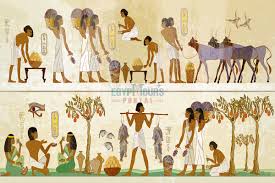
These texts allowed non-royals to participate in the divine economy. While only kings built pyramids, anyone who could afford a stela with the formula could ensure their own survival. It connected the daily life of the living (agriculture, food production) directly with the sacred realm of the ancestors.
Archaeological Value
For Egyptologists, these texts are invaluable. They provide data on: social titles and hierarchy (who could afford offerings), linguistic evolution (changes in grammar over centuries), and the diet and economy of ancient Egypt. They are the most common type of inscription found, offering a window into the hopes of thousands of individuals.
Encyclopedia Summary
| Subject | Offering Ritual Formulae |
|---|---|
| Key Phrase | Hotep-di-nesu |
| Key Concept | Peret-kheru (Voice Offering) |
| Focal Point | False Door / Stela |
| Purpose | Magical Sustenance for the Ka |