Definition & Concept
Evisceration is the ritual and surgical removal of the internal organs from the deceased's body during mummification. It was a critical step designed to stop the rapid decomposition that begins in the gut, ensuring the body's physical integrity for the Ka to inhabit.
| Procedure | Organ Extraction |
|---|---|
| Incision Location | Left Flank (Abdomen) |
| Organs Removed | Lungs, Liver, Stomach, Intestines |
| Organ Left | The Heart (Seat of Soul) |
Purity vs. Decay
To the Ancient Egyptians, decay was a form of chaos (Isfet). The internal organs, being wet and prone to rot, were a threat to the body's survival. However, they were also considered vital components of the person. Therefore, they could not be destroyed; they had to be removed, purified, and preserved separately to rejoin the deceased in the afterlife.
The Ethiopian Stone
The incision was made using a specific ritual tool: a knife made of black Obsidian (volcanic glass), often referred to by Greek historians as "The Ethiopian Stone." This material was sharper than metal and held sacred significance. After the cut was made, the "paraschistes" (cutter) would often symbolically run away, as violating the human body was considered a taboo act, even for holy purposes.
The Sacred Four
Four specific sets of organs were carefully extracted, washed in palm wine (a disinfectant), and packed in natron:
- Liver: Associated with direction South.
- Lungs: Associated with direction North.
- Stomach: Associated with direction East.
- Intestines: Associated with direction West.
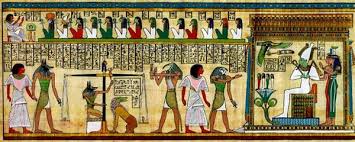
The Heart was deliberately left in place because it was the center of intelligence and the witness for judgment.