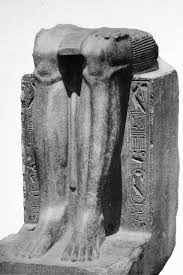
Basic Identity
Khyan (Seuserenre) is one of the most intriguing and influential Hyksos kings. While Apepi is known for war, Khyan is known for diplomacy and expansion. His long reign solidified Hyksos rule in the Delta, transforming them from invaders into a recognized international power.
| Throne Name | Seuserenre (“Powerful is the Ka of Ra”) |
|---|---|
| Personal Name | Khyan (Semite Origin) |
| Dynasty | 15th Dynasty (Hyksos) |
| Reign | c. 1640–1600 BCE (Approx. 40 Years) |
The Cosmopolitan King
Khyan's significance lies in his international reach. Artifacts bearing his name have been found farther afield than those of any native Egyptian pharaoh of the time. This suggests that under his rule, Avaris became a global diplomatic hub, connecting the Nile to the Aegean and Mesopotamia.
Hegemony of the North
He ruled a divided Egypt confidently. The Hyksos controlled the Delta, Middle Egypt, and the oases. Thebes in the south was a vassal or a weak rival, while Nubia was an independent ally. Khyan's Egypt was not an isolated kingdom but part of the broader Canaanite cultural sphere.
Pharaoh Khyan
Despite his foreign origins, Khyan fully adopted the trappings of Egyptian kingship. He used the title "Son of Ra" and employed Egyptian scribes. However, he also used the unique title Heqa-Khasut ("Ruler of Foreign Lands"), proudly acknowledging his dual identity as both Pharaoh and Canaanite chieftain.
Metropolis of the Delta
Under Khyan, Avaris grew into one of the largest cities in the ancient world. It was a melting pot of cultures, with Minoan frescoes painting its palace walls and Canaanite temples standing beside Egyptian shrines. It rivaled Memphis in wealth and splendor.
Chariot Lords
Khyan commanded a formidable military machine. The Hyksos monopoly on horse-drawn chariots and composite bows gave them undisputed superiority in the flat lands of the Delta. This military strength allowed Khyan to focus on trade rather than constant warfare.
Reach of Power
Blocks bearing his name found at Gebelein and Bubastis indicate extensive building activity. He seems to have exercised direct control as far south as Cusae, and his influence likely intimidated the Theban 16th/17th Dynasty into paying tribute.
Seth and Ra
Like other Hyksos kings, he revered Seth (associated with Baal), but his throne name Seuserenre honors Ra. This pragmatic religious policy allowed him to be accepted by the native population while maintaining his own cultural traditions.
Prosperity
The economy boomed under his administration. The fertile Delta produced surplus grain, which was traded for Levantine wine, olive oil, and timber. The Hyksos bureaucracy was efficient, adapting the existing Egyptian system to serve the new rulers.
Predecessor of Apepi
Khyan was likely the father or direct predecessor of Apepi. He handed down a stable, wealthy, and militarily strong kingdom. While Apepi would face the war of liberation, Khyan enjoyed the golden autumn of Hyksos rule.
Diplomat vs. Warrior
| King | Khyan | Apepi |
|---|---|---|
| Focus | International Trade | War with Thebes |
| Legacy | Global Recognition | Military Conflict |
| Artifacts | Crete & Babylon | Delta Fortresses |
📌 Comprehensive Summary
👑 Name: Khyan (Seuserenre)
🕰️ Era: 15th Dynasty (Hyksos)
⚔️ Significance: Diplomatic Superpower
🪨 Artifact: Lid at Knossos