Overview
The Intef kings (I, II, and III) were the pioneering rulers who transformed Thebes from a provincial backwater into a royal powerhouse. Through three generations of warfare and diplomacy, they challenged the northern Herakleopolitan dynasty and laid the groundwork for the Middle Kingdom.
Intef I (Sehertawy)
Intef I was the first to claim royal dignity, taking the Horus name Sehertawy ("He Who Brings Peace to the Two Lands"). Starting as a local nomarch, he rebelled against the north and declared himself King of Upper Egypt. His realm extended from Elephantine to Dendera, establishing a secure southern base.
Intef II (Wahankh)
Ruling for nearly 50 years, Intef II was the true architect of Theban power. He pushed the border north to Abydos, capturing the sacred city of Osiris. His famous "Dog Stela" depicts him with his favorite hunting dogs, showing a king who valued loyalty and strength. He was the first to claim the full title "King of Upper and Lower Egypt," openly challenging the north.
Intef III (Nakhtnebtepnefer)
Intef III ruled briefly but successfully consolidated his father's gains. He focused on administration and securing the loyalty of captured territories. By the time of his death, the Theban army was poised for the final push that his son, Mentuhotep II, would eventually lead to reunify Egypt.
The War for the Two Lands
The history of the Intefs is a history of war. They professionalized the Theban army, recruiting Nubian mercenaries and skilled archers. The struggle for Abydos—the gateway to the north—defined their dynasty. Their victory there legitimized their claim to the throne of Osiris.
Sacred Authority
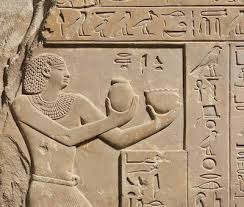
They revived the use of monumental art to project power. Stelae and reliefs from their reign emphasize their closeness to the gods Montu (war) and Amun (the hidden one). By restoring temples and reinstating rituals, they presented themselves as the true guardians of Ma'at against the chaos of the north.
Two Egypts
| Feature | Theban Intefs (South) | Herakleopolitans (North) |
|---|---|---|
| Strategy | Aggressive Expansion | Defensive / Diplomatic |
| Base | Thebes (Waset) | Herakleopolis |
| Art Style | Bold, provincial energy | Traditional, refined Memphite style |
El-Tarif Necropolis
The necropolis of El-Tarif stands as a testament to their reign. While less famous than the Valley of the Kings, these vast courtyards were the prototypes for the later mortuary temples of Deir el-Bahari. Excavations have revealed the names of their soldiers and servants, providing a glimpse into the society that built an empire.
📌 Comprehensive Summary
👑 Dynasty: 11th (Early)
🕰️ Era: First Intermediate Period
⚔️ Achievement: Unification of Upper Egypt
🪨 Monument: Saff Tombs at El-Tarif