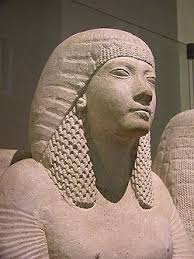
Basic Identity
Horemheb was the last pharaoh of the 18th Dynasty. Unlike his predecessors who were born into royalty, he rose through the ranks of the military to become General, then Vizier, and finally King. His reign marked the definitive end of the Amarna Period and prepared the ground for the rise of the Ramesside kings.
| Throne Name | Djeserkheperure-Setepenre ("Holy are the Manifestations of Ra") |
|---|---|
| Dynasty | 18th Dynasty (Post-Amarna Restoration) |
| Reign | c. 1323–1295 BCE (Approx. 27 Years) |
| Capital | Memphis (Administrative) & Thebes (Religious) |
The Restorer
Horemheb is crucial to Egyptian history because he effectively hit the "reset" button. He formally ended the chaotic Amarna Period, fully restored traditional religion, and reorganized the country's administration and legal systems. Without his iron-fisted stabilization, the Egyptian Empire might have collapsed before the Ramesside era began.
From General to King
Horemheb served as commander-in-chief under Tutankhamun and was likely the young king's designated heir. Though momentarily sidelined by the elderly Vizier Ay, Horemheb's patience paid off. He claimed his rise was divine will, stating that the god Horus of Hanes had chosen him to bring order to a chaotic land.
Rewriting History
To restore the sanctity of the royal line, Horemheb undertook a massive campaign of damnatio memoriae. He erased the names of Akhenaten, Smenkhkare, Tutankhamun, and Ay from king lists, dating his own reign immediately after Amenhotep III. In his view, the Amarna kings were heretics whose reigns never officially happened.
Strengthening the State
- Military Reorganization: He split the army into two divisions (North and South) to prevent any single commander from gaining too much power.
- Priestly Balance: He appointed army officers as priests to ensure loyalty and reduce the independence of the priesthood.
- Foreign Policy: He reasserted control in Nubia and stabilized the northern borders, though he mostly focused on internal rebuilding.
Return of the Gods
While Tutankhamun began the restoration, Horemheb completed it. He dismantled Akhenaten's temples at Karnak and used the stone (talatat blocks) as fill for his own massive pylons. He rebuilt temples across the land, declaring that the gods, who had "ignored" Egypt during the heresy, had now returned.
A Tale of Two Tombs
Horemheb had two tombs. Before becoming king, he built a magnificent tomb at Saqqara depicting his military victories. Upon becoming pharaoh, he abandoned it for a royal tomb in the Valley of the Kings (KV57). KV57 is notable for its transition from the stylized Amarna art to traditional forms and for being the first to use the Book of Gates.
The Ramesside Transition
Having no surviving children, Horemheb pragmatically chose his successor from the military elite: his visionary general, Paramessu. Paramessu ascended the throne as Ramesses I, founding the 19th Dynasty. This peaceful transfer of power to a capable military family ensured Egypt's golden age would continue.
The End of an Era
| King | Role | Legacy |
|---|---|---|
| Akhenaten | Revolutionary | Religious Chaos |
| Tutankhamun | Restorer | Healing & Reconciliation |
| Horemheb | Rebuilder | Law, Order & Empire |
📌 Visitor-Friendly Summary
Horemheb was the general who saved Egypt by restoring law, order, and tradition. Without his iron will, the empire might have collapsed.
👑 Key Title: The Restorer
⚖️ Achievement: The Great Legal Edict
🏛️ Legacy: Prepared the Ramesside Era