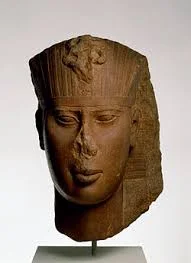
Basic Identity
Amasis II (Egyptian: Ahmose II) was the fifth pharaoh of the 26th Dynasty. Rising from the ranks of the military to depose his predecessor Apries, he reigned for 44 years. His era is remembered as the last "Golden Age" of indigenous Egyptian rule before the Persian conquest, characterized by immense prosperity, wisdom, and pragmatism.
| Throne Name | Khenemibre ("He who embraces the Heart of Ra") |
|---|---|
| Dynasty | 26th Dynasty (Saite Period) |
| Reign | c. 570–526 BCE (Approx. 44 Years) |
| Capital | Sais (Delta) |
The Great Stabilizer
Amasis II is historically vital because he stabilized Egypt after a violent civil war. He healed the rift between the native Egyptian population and the Greek mercenaries that had torn the country apart under Apries. Through smart governance and trade reforms, he made Egypt incredibly wealthy and culturally influential, proving that a ruler could be strong without being recklessly aggressive.
From Commoner to King
Unlike most pharaohs, Amasis was not of royal blood. He was a commoner who rose through the military ranks to become a general. During the revolt against Apries, the troops acclaimed him as king. He accepted the crown and, showing remarkable political skill, legitimized his rule by marrying into the royal family and presenting himself as a devout defender of Egyptian tradition.
Prosperity Through Pragmatism
Amasis II was known for his flexible and practical approach to ruling. He listened to local elites, avoided unnecessary wars, and focused on defense rather than conquest. Greek historians like Herodotus describe him as a ruler who enjoyed life, possessed a sharp wit, and understood the value of diplomacy over brute force.
The Wealth of the Nile
Under Amasis, Egypt experienced an economic boom. Agriculture stabilized, and international trade flourished. He introduced legal reforms requiring every citizen to declare their income annually to the local governor, a measure designed to reduce corruption and ensure fair taxation. This wealth funded massive building projects and allowed Egypt to maintain a formidable defensive military.
Restoring the Temples
Amasis was a prolific builder. He restored temples across Egypt, from the Delta to Elephantine. At Sais, he built magnificent gateways and erected colossal statues. He continued the "Saite Renaissance" style, producing art that rivaled the Old Kingdom in quality. By honoring traditional gods like Neith and Osiris, he kept the powerful priesthoods loyal and satisfied.
The Coming Storm
In his later years, Amasis watched the rise of the Persian Empire under Cyrus the Great with growing alarm. He strengthened alliances with Polycrates of Samos and Croesus of Lydia, preparing Egypt for the inevitable clash. He died of natural causes in 526 BCE, just months before the Persian invasion, leaving his son Psamtik III to face the storm that would end Egyptian independence.
The Final Pharaohs
| King | Style | Legacy |
|---|---|---|
| Apries | Militaristic & Aloof | Civil War & Defeat |
| Amasis II | Pragmatic & Diplomatic | Wealth & Stability |
| Psamtik III | Inexperienced | Persian Conquest |
📌 Visitor-Friendly Summary
Amasis II was the pharaoh who made Egypt wealthy, peaceful, and global—just before the fall. His reign was Egypt’s last calm sunset.
👑 Key Title: The Pragmatic Pharaoh
💰 Achievement: Economic Golden Age
🇬🇷 Policy: Founding of Naucratis